



Publishing consistent, high-quality content should lead to traffic growth. When your analytics stay flat despite all your effort, something’s off.
The problem isn’t your writing. It’s your branding—and it’s quietly sabotaging every post you publish.
Table of Contents
What Is Blog Branding (And Why Does It Matter)?
Blog branding is how your blog looks, feels, and communicates across every touchpoint. It includes your logo, color palette, typography, blog design layout, and the overall vibe readers experience when they land on your site.
Strong blog branding makes you memorable. Weak branding? That makes you forgettable—and costs you traffic, subscribers, and sales.
How to Tell If Your Blog Design Is Holding You Back
Your blog branding might be the issue if you’re experiencing:
Low Time on Site: Readers bounce within seconds because your design feels cluttered, unprofessional, or hard to navigate.
Zero Brand Recognition: People read your content but can’t remember your name later. Your visual identity isn’t distinct enough to stick.
Inconsistent Traffic: You publish consistently but see no growth. Without cohesive branding, readers don’t trust you enough to return or subscribe.
Conversion Problems: Your opt-ins, affiliate links, and product CTAs get ignored. Poor design creates friction between your content and your goals.
If any of these sound familiar, your design is working against you—not for you.
The 5 Blog Branding Mistakes Holding You Back
1. Generic WordPress or Squarespace Templates
Using out-of-the-box WordPress templates or Squarespace blog templates without customization makes your blog blend in. Readers can’t tell you apart from the thousands of other blogs using the same blog themes.
The Fix: Customize your template with your brand colors, fonts, and layout preferences. Even small tweaks—like adjusting header styles or button colors—help you stand out.
2. Overcomplicated Blog Design Layouts
Blog beginners often cram too much into their blog design layout: multiple sidebars, pop-ups, flashing banners, and conflicting fonts. This overwhelms readers and kills their experience.
The Fix: Simplify. Stick to one or two fonts, use white space generously, and limit your sidebar to essential elements. Clean blog templates, design layouts improve readability and keep your target audience focused on your content.
3. No Clear Visual Hierarchy
When everything on your blog competes for attention, nothing stands out. Readers don’t know where to look first—or what action to take next.
The Fix: Use size, color, and placement to guide readers. Your headlines should be larger than the body text. Your CTAs should pop with contrasting colors. Your navigation should be obvious and accessible.
4. Mismatched Branding Across Platforms
Your blog looks one way, your Pinterest pins another, and your Instagram feed? Completely different. This inconsistency confuses your audience and dilutes your brand identity.
The Fix: Create brand guidelines that define your colors, fonts, logo usage, and visual style. Use the same aesthetic across your blog, email newsletters, social media graphics, and any templates you create.
5. DIY Logo That Screams “Amateur”
If you threw together a logo in Canva using default fonts and stock icons, it shows. Your logo is often the first thing readers see—make sure it reflects the quality of your content.
The Fix: Invest in a professional logo or learn how to make a logo for a blog that looks polished. Use unique typography, thoughtful color choices, and clean design principles.
How to Fix Your Blog Branding (Step-by-Step)
Step 1: Define Your Brand Identity
Before touching design tools, get clear on your brand’s personality. Ask yourself:
- What three words describe my blog’s vibe? (Examples: modern, playful, minimal, bold)
- Who is my ideal reader, and what appeals to them visually?
- What feeling do I want readers to have when they visit my site?
Write this down. Your design decisions should align with these answers.
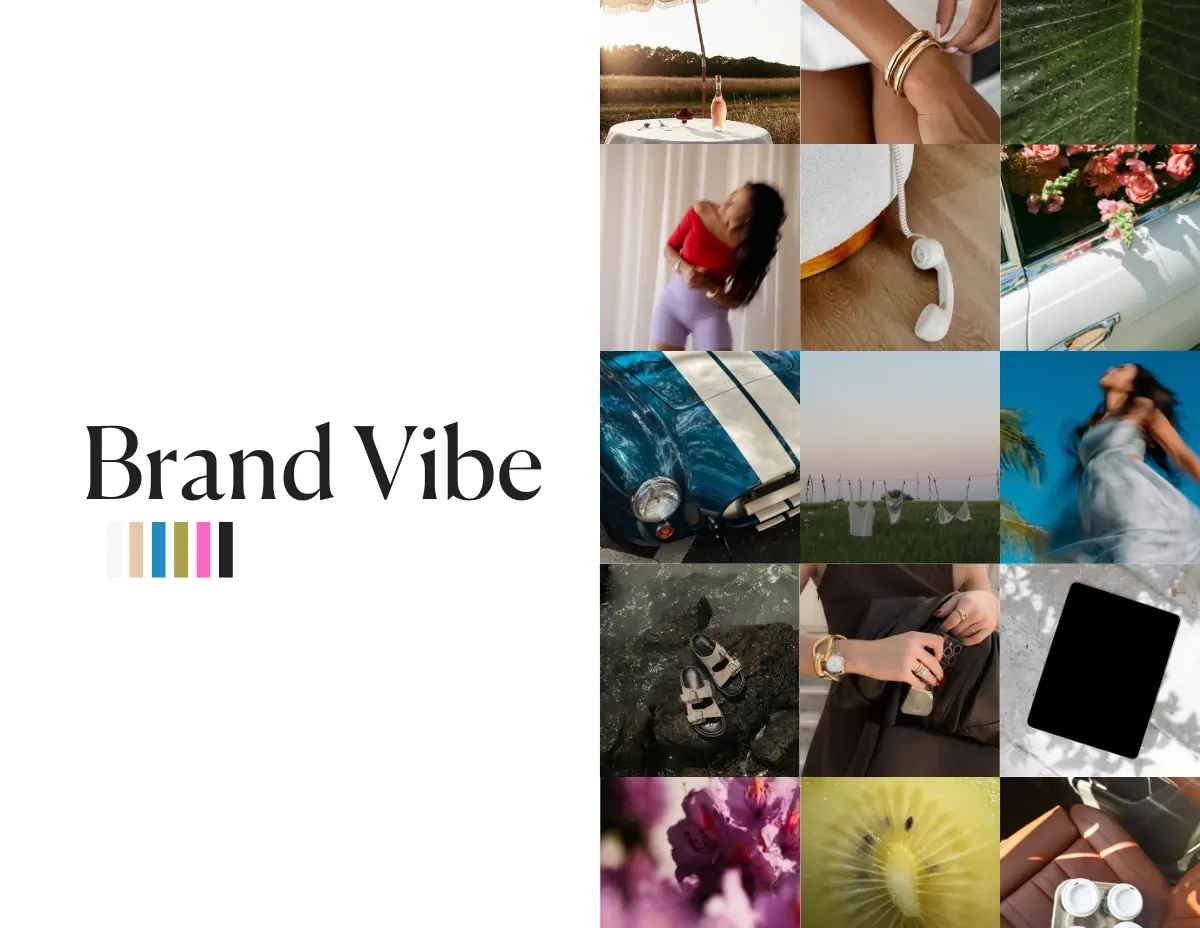
Step 2: Choose a Cohesive Color Palette
Pick 3–5 colors that reflect your brand’s personality. Use a tool like Coolors or Adobe Color to create a palette that works together.
Assign each color a role:
- Primary color: Your main brand color (used in logos, headers, CTAs)
- Secondary color: Supports your primary color (used in accents, buttons)
- Neutral colors: Backgrounds, text, borders (usually white, black, or gray)
Stick to consistent branding using this palette across your blog, graphics, and social media.
Step 3: Select 2–3 Fonts Maximum
Typography impacts readability and brand perception. Choose fonts that match your brand’s personality:
- Serif fonts (like Playfair Display or Lora): Classic, elegant, traditional
- Sans-serif fonts (like Montserrat or Raleway): Modern, clean, approachable
- Script fonts (like Pacifico or Dancing Script): Feminine, creative, playful (use sparingly)
Use one font for headlines and another for body text. Avoid mixing more than two or three fonts—it creates visual chaos.
Step 4: Audit Your Current Blog Design
Open your blog in an incognito window (to see it with fresh eyes) and evaluate:
- Does it feel professional and cohesive?
- Is navigation intuitive?
- Do colors and fonts match your brand identity?
- Are CTAs clear and clickable?
- Does it load quickly on mobile?
Note what’s working and what needs fixing.
Step 5: Customize Your Blog Template
Most WordPress blogs and Squarespace designs allow customization without coding. Focus on:
- Adjusting colors to match your palette
- Updating fonts to your chosen typefaces
- Simplifying your blog design layout (remove unnecessary widgets)
- Adding branded graphics (custom header images, icons, buttons)
- Ensuring mobile responsiveness
If you’re using WordPress, plugins like Elementor or Kadence make customization easier. For Squarespace, use the built-in Style Editor.
Step 6: Create Branded Graphics Templates
Design reusable templates for:
- Blog post featured images
- Pinterest pins
- Instagram carousels
- Email graphics
Use Canva to create blog templates design layouts that match your branding. Save them as templates so every graphic you create stays consistent.
Step 7: Implement Brand Guidelines
Document your branding decisions in a simple guide that includes:
- Your color palette (with hex codes)
- Your fonts (with usage rules)
- Your logo files and usage guidelines
- Examples of your blogging aesthetic
Refer to this guide every time you create content to maintain consistency.
Efficient Blogging Strategies: Work Smarter, Not Harder
Rebranding your blog doesn’t mean starting from scratch. Use these efficient blogging brand strategies to save time:
Batch Your Design Work: Set aside one day to create 30 days’ worth of blog graphics using your templates. This keeps you consistent without constant design work.
Repurpose Visual Assets: Turn blog post graphics into Pinterest pins, Instagram carousels, and email headers. One design serves multiple platforms.
Use Design Systems: Create a system where every blog post follows the same visual structure. This speeds up your workflow and strengthens brand recognition.
Automate Where Possible: Use tools like Canva’s Content Planner or Tailwind to schedule graphics in advance.
Best Blog Design Platforms for Beginners
If you’re starting a blog or considering a redesign, choose a platform that balances ease of use with customization options.
WordPress
Best for: Bloggers who want full control and scalability.
Pros: Thousands of WordPress templates, endless customization with plugins, SEO-friendly.
Cons: Steeper learning curve, requires hosting and maintenance.
Recommendation: Use a premium theme like Astra or GeneratePress for flexibility. Pair it with Elementor for drag-and-drop design control.
Squarespace
Best for: Bloggers who prioritize design and simplicity.
Pros: Stunning Squarespace blog templates, all-in-one platform (hosting included), beginner-friendly.
Cons: Less flexibility than WordPress, limited third-party integrations.
Recommendation: Choose a Squarespace design template with clean layouts and ample white space. Customize it with your brand colors and fonts.
Showit
Best for: Bloggers who want complete design freedom without coding.
Pros: Drag-and-drop customization, visually stunning blog themes, integrates with WordPress for blogging.
Cons: Higher price point, not ideal for beginners on a budget.
Recommendation: Use Showit if you’re serious about creating a unique, highly branded blog experience.
How to Make a Logo for a Blog (Without Hiring a Designer)
Your logo doesn’t need to be complicated—but it does need to be intentional. Here’s how to create one:
- Decide on your logo style: Wordmark (text-only), icon + text, or icon-only
- Choose your font carefully: Avoid overused fonts like Lobster or Comic Sans. Opt for clean, readable typefaces.
- Keep it simple: Overly detailed logos don’t scale well across devices or platforms.
- Use your brand colors: Your logo should reflect your color palette.
- Test it everywhere: Make sure it looks good on your blog header, social media profiles, email signatures, and favicons.
Use Canva’s logo maker or tools like Looka for beginner-friendly options. If you want something custom, hire a designer on Fiverr or Upwork.
Money-Making Blog: How Branding Impacts Revenue
Strong blog branding doesn’t just look good—it makes you money. Here’s how:
Builds Trust: Professional branding signals credibility. Readers are more likely to click affiliate links, buy products, or join your email list.
Increases Conversions: Clear, branded CTAs (like “Download My Free Guide”) convert better than generic buttons.
Strengthens Brand Loyalty: When readers recognize and trust your brand, they become repeat visitors, subscribers, and customers.
Attracts Sponsorships: Brands want to partner with bloggers who have cohesive, professional aesthetics. Strong branding opens doors to sponsored content and collaborations.
If you’re building a money-making blog, branding isn’t optional—it’s essential.
Blog Launch Checklist: Branding Edition
- Define your brand identity (personality, colors, fonts)
- Create or update your logo
- Choose and customize your blog template
- Design branded graphics templates for blog posts, Pinterest, Instagram
- Write brand guidelines for consistency
- Update your About page with branded photos and copy
- Create a branded email signature
- Set up a branded opt-in or lead magnet
- Audit your blog for visual consistency
Blogging Tips: Maintain Your Branding Long-Term
Branding isn’t a one-and-done task. Maintain consistency with these blogging tips:
Review your brand every 6–12 months: As your blog evolves, your branding might need tweaks. Refresh colors, fonts, or layouts as needed.
Stay consistent across platforms: Every Instagram post, Pinterest pin, and email should reflect your brand.
Document your processes: Keep a folder of templates, graphics, and guidelines so you (or a VA) can maintain consistency.
Invest in updates as you grow: As your traffic and revenue increase, invest in professional photography, custom graphics, or a brand refresh.
Blogging Advice for Beginners: Start Strong
If you’re a beginner blogger who needs blog branding tips, don’t wait until you’re “established” to focus on branding. Start strong from day one.
You don’t need a perfect logo or expensive design tools. You just need:
- Clarity on who you serve and what you stand for
- A simple, cohesive color palette and font pairing
- A clean, easy-to-navigate blog design layout
Nail these basics, and your blog will look professional—even as a beginner.
Your Blog Branding Shouldn’t Be an Afterthought
Your design is either helping you grow—or quietly holding you back. The good news? Fixing it doesn’t require a complete overhaul or a massive budget.
Start with small, intentional changes: clean up your blog design layout, define your color palette, and create branded templates you can reuse. Consistency builds trust, and trust drives traffic, subscribers, and sales.
Your blog is your business. Start treating it like it—and let your branding reflect the quality of your work.
Ready to design a blog that actually works? Grab my free Canva Lead Magnet Template and start building a brand your readers will remember.
Pin for later



These are all super helpful tips Candice, you always do an amazing job of simplifying ways to make blogs better, no matter what topic it is! I can remember buying a theme from the start (I still have the same one) and I’m so happy I did, it gives it a personal touch compared to the free ones out there. You’re reminding me that I really need to update my pin designs though! I know that’s a different topic, but my brain is bouncing around already this morning, haha! Thanks for this fantastic post, my friend!
Make Life Marvelous
Love this! Buying a theme early is such a smart move—personal touch + less tech headache. And you’re spot on: fresh pin designs are the fastest way to revive traffic. Proud of you for taking action – keep going, friend!