
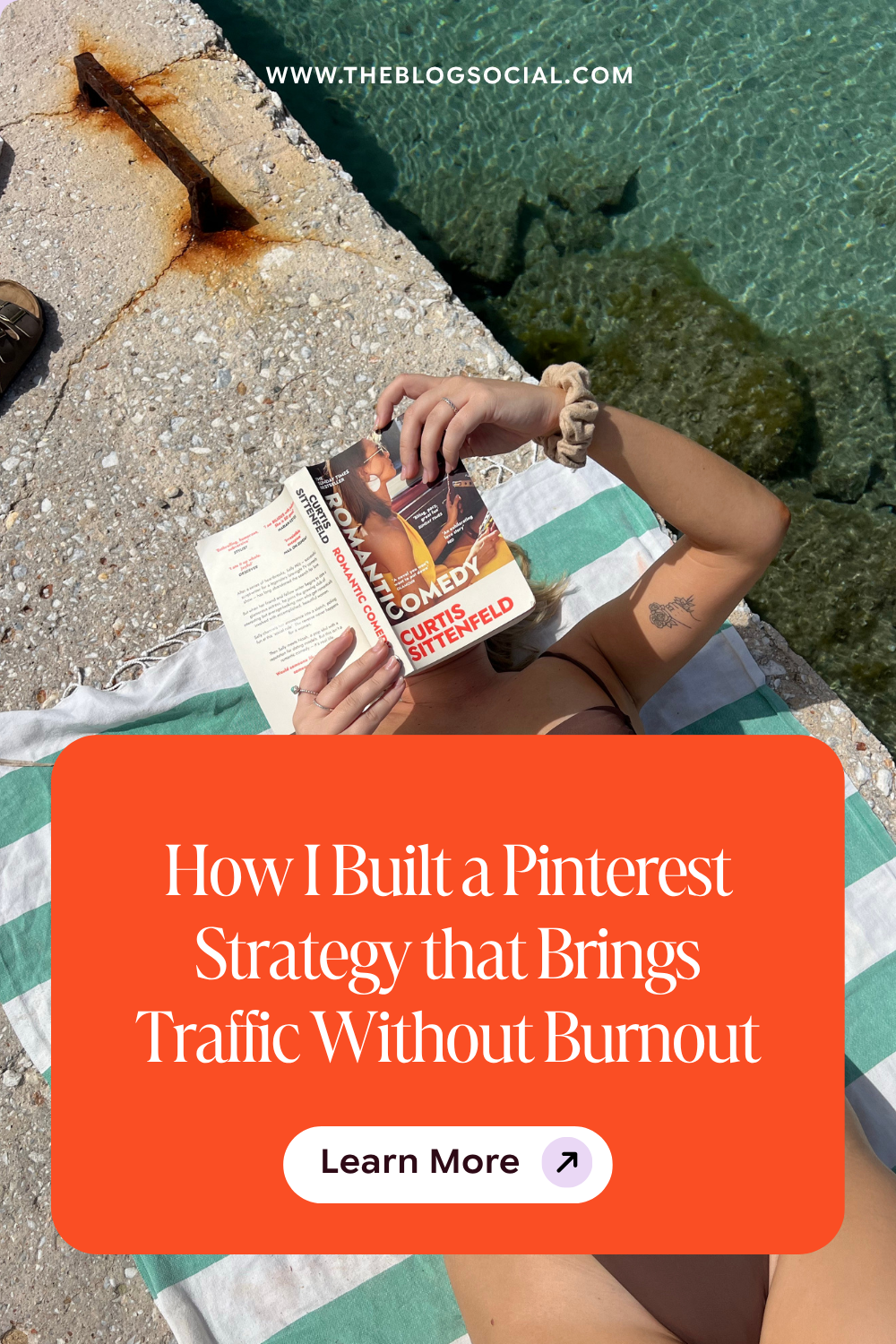
I spent years doing Pinterest strategy wrong.
Pinning 15 times a day. Designing fresh graphics every week. Watching my analytics like a hawk—only to see my traffic flatline at 200 pageviews a month.
Sound familiar?
Here’s the thing: Pinterest isn’t broken. Your Pinterest strategy is just outdated.
The Pinterest marketing landscape shifted dramatically in 2024-2025, and if you’re still following advice from 2020, you’re wasting time on tactics that no longer work. The platform prioritised quality over quantity, rewarded consistent pinners over spammers, and made automation tools like BlogtoPin essential for sustainable growth.
I rebuilt my entire Pinterest pinning strategy from scratch—and went from 200 monthly pageviews to 15,000+ in six months. No burnout. No daily pinning marathons. Just a system that works while I focus on creating content that matters.
This is the exact Pinterest marketing plan I use today to boost Pinterest traffic without sacrificing my sanity.
Why Most Pinterest Marketing Strategies Fail
Most bloggers approach Pinterest like it’s Instagram. They design pretty pins, post them once, and wonder why nothing happens.
Pinterest is a search engine first, social media platform second. That means your success depends on three things:
Keyword research: If your pins don’t show up in search, they don’t exist. Using tools like Pinterest’s native search bar and Pininspector helps you find exactly what your audience is searching for—so you can create pins that actually get discovered.
Strategic pinning: Fresh pins still matter, but repinning your best-performing content is where the real growth happens. The new Pinterest algorithm rewards consistency and engagement over sheer volume.
Automation: Manual pinning seven days a week leads to burnout. A Pinterest scheduler like BlogtoPin lets you batch your content once and maintain consistent visibility without logging in daily.
Miss any of these, and you’re building a Pinterest marketing strategy on shaky ground.
The Pinterest Strategy That Actually Works in 2026
Here’s my current Pinterest growth strategy—the one that generates 60% of my blog traffic:
Step 1: Master Keyword Research (The Foundation)
SEO is important for getting found on the platform. Start with Pinterest’s search bar. Type in your topic and watch the suggested keywords populate. These are real searches from real users—your future readers.
I use Pinterest’s native search combined with Pininspector to dig deeper. Pininspector shows me search volume, competition levels, and related keyword clusters. This combination helps me create pins targeting terms people actually use to find content.
For example, instead of targeting “blogging tips” (oversaturated), I focus on “how to use Pinterest to grow blog traffic” or “increase blog traffic on Pinterest”—more specific, less competition, higher intent.
Bonus: Use the Pinterest Trends tool to find seasonal and growing trending topics.
Step 2: Create High-Performing Pin Designs in Canva
Forget trendy fonts and busy layouts. Pinterest users scroll fast—your new pin has 1-2 seconds to stop the scroll.
I design all my pins in Canva using a simple formula:
- Bold, readable headline (60-80 characters max)
- Clear benefit (what they’ll learn or get)
- High-contrast colours (my brand palette with strategic pops)
- Minimal text (3-5 words per design element)
I batch 5-7 pin variations per blog post in under an hour. Different headlines, colours, and layouts help me test what resonates—without starting from scratch every time.
Related: How to Track Pinterest Traffic That Actually Converts
Step 3: Write Pin Copy That Converts Browsers to Readers
Your pin description is where keyword strategy meets persuasion.
I use ChatGPT to generate initial drafts, then refine them manually. My prompt: “Write a 450-character Pinterest description for [blog post topic] targeting the keyword [primary keyword]. Include a clear benefit and call-to-action.”
Then I plug it into BlogtoPin, which optimises the copy further and suggests related keywords I might’ve missed.
Every pin description includes:
- Primary keyword in the first sentence
- 2-3 related keywords woven naturally
- Clear value statement (what they’ll learn)
- CTA to click through and read
No fluff. No filler. Just strategic copy that works.
Step 4: Automate Pinning with BlogtoPin
This step changed everything.
BlogtoPin connects directly to my blog RSS feed. Every time I publish a new post, it automatically picks up my new website links and allows me to create fresh pins and schedule pins across optimal posting times.
But here’s where it gets powerful: BlogtoPin also allows me to import my Canva templates. This way, I can ensure my pins are on brand and drive traffic, no matter what pin type I post, video pins or static pins. I can’t express how it’s helped me save time and be consistent with my pinning schedule.
I spend 2 hours per month managing my Pinterest account now. That’s it.
The time I used to waste pinning manually? I reinvest into creating better blog content, which brings more traffic, which performs better on Pinterest. It’s a flywheel effect.
Step 5: Track What Works with Pinterest Analytics
Pinterest analytics tells you exactly what’s working—but only if you’re looking at the right metrics.
Ignore follower count. Focus on:
- Impressions: How often your pins show up in search and feeds
- Outbound clicks: How many people actually visit your blog
- Saves: The ultimate signal that your content resonates
- Top pins: Which designs and topics drive the most engagement
I review my Pinterest analytics every two weeks. I identify my top 3-5 performing pins, then create more content around those topics and design styles.
Double down on what works. Cut what doesn’t.
The Biggest Pinterest Marketing Mistakes to Avoid
Even with a solid Pinterest marketing strategy, these mistakes will tank your results:
Ignoring fresh pins: The algorithm prioritises new content. Repinning is essential, but you still need to publish fresh pins regularly to maintain visibility.
Using spammy affiliate links: Pinterest flags accounts that overuse affiliate links without context. If you’re doing Pinterest affiliate marketing, always link to blog posts first—never directly to affiliate products.
Pinning inconsistently: One week of 50 pins followed by radio silence kills your momentum. Consistency beats intensity every time.
Skipping keyword research: Pretty pins without strategic keywords won’t get discovered. Period.
Designing pins for yourself, not your audience: Your aesthetic preferences don’t matter if your audience doesn’t click. Test. Measure. Adapt.
Tools I Use for My Pinterest Marketing Plan
You don’t need 47 tools to learn Pinterest and grow traffic. Here’s my current stack:
- Pinterest native search + Pininspector: Keyword research and trend identification
- ChatGPT: First-draft pin descriptions and content ideation
- BlogtoPin: Pin copy optimisation, automation, and scheduling
- Canva: All pin design work (using my brand templates)
- Pinterest analytics: Performance tracking and strategy refinement
That’s it. Five tools. One streamlined Pinterest pinning strategy.
Why This Pinterest Growth Strategy Works Long-Term
Here’s what makes this approach sustainable:
It’s batch-friendly: Design pins once per month, schedule them, and move on.
It’s search-optimised: Every pin targets real keywords with real search volume.
It’s automated: BlogtoPin handles the repetitive work while you focus on creating.
It’s data-driven: Pinterest analytics guides decisions, not guesswork.
It’s scalable: The same system works whether you’re publishing 2 blog posts per month or 20.
No hustle. No burnout. Just a Pinterest marketing strategy that compounds over time.
Related: Pinterest vs. Other Social Media Platforms: Where Bloggers Should Focus in 2026
My Results After Implementing This Pinterest Strategy
Let me be clear: I’m not promising you’ll go viral or hit 100K pageviews overnight. Pinterest is a long game.
But here’s what happened when I implemented this exact Pinterest marketing plan:
- Month 1-2: 500-800 monthly pageviews (slow start while pins indexed)
- Month 3-4: 3,000-5,000 monthly pageviews (momentum building)
- Month 5-6: 10,000-15,000 monthly pageviews (consistent growth)
That’s 60% of my total blog traffic now coming from Pinterest. Traffic that shows up while I sleep, take breaks, or work on other projects.
Your Next Step: Build Your Pinterest Strategy Today
Stop guessing. Stop pinning randomly. Stop burning out over a platform that should be working for you, not against you.
Here’s what to do right now:
- Run keyword research using Pinterest search + Pininspector
- Design 5-pin variations in Canva for your latest blog post
- Write strategic pin descriptions using ChatGPT as a starting point
- Set up BlogtoPin to automate your pinning schedule
- Review Pinterest analytics in two weeks to see what’s working
Pinterest isn’t complicated. It’s strategic. And strategy beats hustle every single time.
Your blog deserves traffic that doesn’t require you to post 47 Instagram stories per week. Pinterest gives you that—but only if you approach it with a plan.
Want to skip the trial and error? Grab my ChatGPT Prompts for Pinterest Marketing and get the exact prompts I use to create high-converting pin copy in minutes.